The Indian middleweight motorcycle segment has always been a fascinating battleground where raw performance meets everyday practicality. For decades, the Bajaj Pulsar nameplate has dominated this arena, evolving from the iconic “Definitely Male” campaign to becoming the default choice for millions of riders seeking the perfect blend of sporty styling and accessible performance. In 2026, the new Bajaj Pulsar N160 arrives not as a revolution, but as a meticulous evolution of everything riders loved about its predecessor.
Having spent considerable time with the 2026 iteration of this motorcycle, I can confidently state that Bajaj has addressed the minor quirks while amplifying the characteristics that made the N160 a segment favorite. This comprehensive review will dissect every aspect of the motorcycle from its aggressive new design language to its refined engine characteristics, updated technology suite, and real-world riding dynamics. Whether you are a first-time buyer looking for your入门 sport motorcycle or an experienced rider seeking a nimble city companion with weekend canyon-carving capabilities, this deep dive will help you understand exactly what the 2026 Bajaj Pulsar N160 brings to the table.
Design, Styling & Functionality
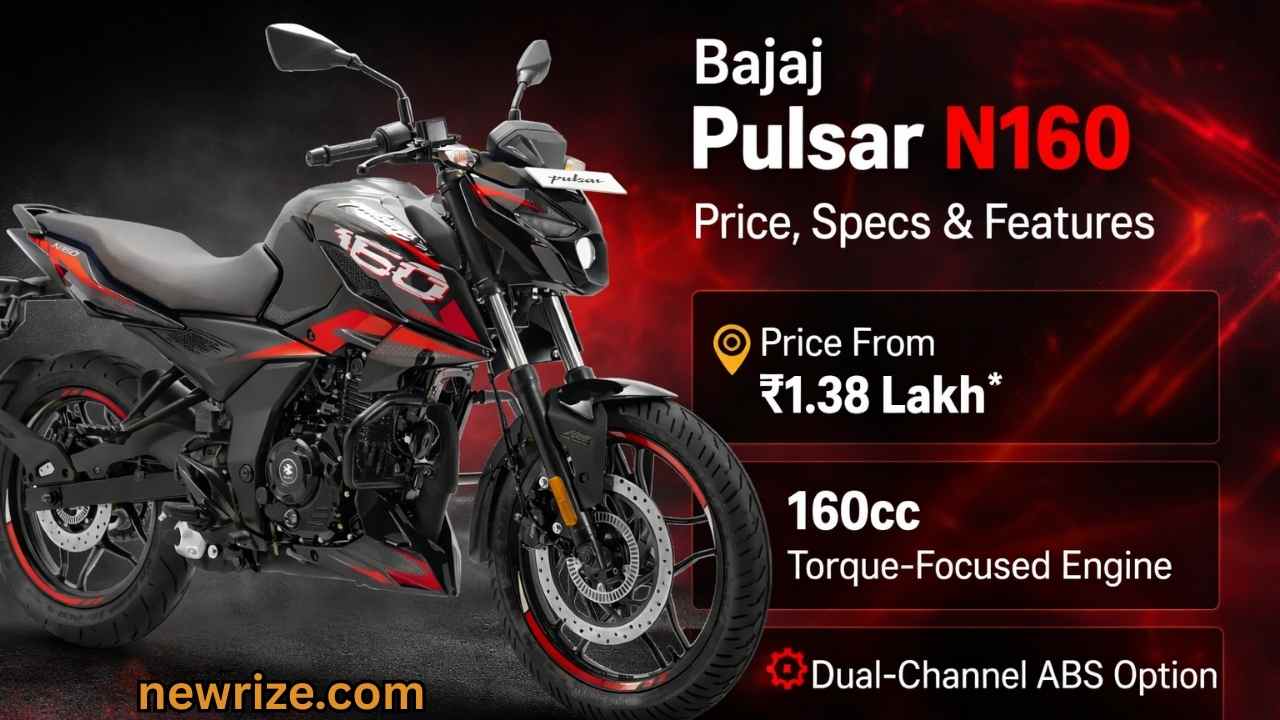
The first thing that strikes you about the 2026 Bajaj Pulsar N160 is how it commands attention without screaming for it. Bajaj’s design team has taken the established Pulsar design language and injected it with fresh aggression, creating a motorcycle that looks more expensive than its price tag suggests. The naked streetfighter aesthetic is fully realized here, with every panel and component serving both form and function.
Muscular Fuel Tank and Bodywork
The centerpiece of the N160’s visual appeal is its newly sculpted 14-liter fuel tank. The tank features pronounced knee recesses that not only enhance the muscular look but provide excellent grip during hard braking and cornering. The tank extensions flow seamlessly into the side panels, which now feature carbon-fiber-look inserts that add a premium touch. Bajaj has paid careful attention to the paint quality, offering the motorcycle in a new Metallic Pearl White alongside the classic Ebony Black and the striking Racing Red. The paint depth and clearcoat quality have improved noticeably, resisting swirl marks better than previous generations.
LED Lighting and Instrument Cluster
Full LED lighting is now standard across the board, a significant upgrade for 2026. The headlight features a distinctive “wolf-eye” design with integrated LED daytime running lights (DRLs) that create a strong road presence. The tail light adopts a sharp, angular design that complements the motorcycle’s aggressive stance. The turn indicators remain halogen but are now housed in sleeker units. The fully digital instrument cluster has grown to a 4.2-inch negative LCD display, offering excellent readability even under harsh sunlight. It displays all essential information speed, rpm, gear position, fuel level, and two trip meters with a clean, intuitive layout.
Ergonomics and Riding Position
The handlebars are slightly wider and positioned with a subtle rise, creating a comfortable upright riding posture that reduces wrist strain during city commutes. The footpegs are rear-set but not aggressively so, striking a balance between sporty intent and everyday comfort. The seat, now 795mm in height, remains accessible to most riders while offering improved foam density for better support on longer journeys. The pillion seat is generously proportioned with a sturdy grab rail, making it genuinely practical for two-up riding. The overall fit and finish have improved, with tighter panel gaps and higher-quality switchgear that feels durable to the touch.
Engine and Performance
At the heart of the Bajaj Pulsar N160 lies its proven 164.82cc, single-cylinder, oil-cooled engine, but for 2026, it receives thoughtful refinements aimed at improving real-world rideability. The focus here is not on chasing peak power figures but on delivering a smooth, responsive, and tractable experience that suits both novice and experienced riders.
Power Output and Torque Characteristics
The engine continues to produce a respectable 15.5 PS of power at 8,500 rpm and 14.6 Nm of torque at 6,000 rpm. While these numbers might seem modest on paper compared to some rivals, the real magic lies in how the power is delivered. The torque curve has been flattened, meaning you get strong pulling power from as low as 2,500 rpm. This makes city riding effortless you can trickle through traffic in third gear without the engine protesting, and when you need to overtake, a twist of the throttle brings instant response without the need for frantic downshifts.
Refinements and NVH Levels
Bajaj has invested significant effort in reducing noise, vibration, and harshness (NVH). New engine mounts with improved damping characteristics isolate vibrations from the frame more effectively. The result is a motorcycle that feels significantly smoother at highway speeds. At 80-90 km/h, the engine hums along with minimal buzz through the footpegs or handlebars, a marked improvement over the previous model. The exhaust note has been tuned to produce a deeper, more refined growl without being intrusive, adding to the premium feel.
Gearbox and Clutch Action
The 5-speed gearbox remains, and it continues to be one of the best in the segment. Gear shifts are precise with positive engagement, thanks to improved shift drum profiles. The real highlight, however, is the assist and slipper clutch. It reduces lever effort by about 30%, making stop-and-go traffic far less tiring on the left hand. The slipper function also prevents rear-wheel hop during aggressive downshifts, adding a layer of safety for enthusiastic riding.
| Feature | 2026 Bajaj Pulsar N160 Specification |
|---|---|
| Engine | 164.82cc, Single-Cylinder, Oil-Cooled |
| Maximum Power | 15.5 PS @ 8,500 rpm |
| Maximum Torque | 14.6 Nm @ 6,000 rpm |
| Transmission | 5-Speed with Assist & Slipper Clutch |
| Fuel System | Electronic Fuel Injection (EFI) |
| Cooling System | Oil-Cooled with dedicated cooler |
Ride and Handling
The Pulsar N160 has always been known for its capable handling, and the 2026 model refines this further. The chassis and suspension setup inspire confidence, whether you are filtering through city traffic or tackling a set of sweeping curves on a weekend ride.
Chassis and Suspension Setup
The perimeter frame, constructed from high-tensile steel, provides a rigid foundation that contributes to precise handling. Up front, a 37mm telescopic fork with 135mm of travel handles bumps and potholes with composure. At the rear, a preload-adjustable monoshock with a nitrox charge keeps the rear tire planted. The suspension tuning leans slightly towards the firmer side, providing excellent feedback and control during spirited riding without becoming punishingly harsh on broken city roads. For 2026, the monoshock’s damping rates have been recalibrated for improved compliance over sharp-edged bumps.
Braking Performance and Safety
Braking duties are handled by a 300mm petal disc up front and a 230mm disc at the rear, clamped by Bybre calipers. The braking feel is progressive and offers good stopping power with a linear lever feel. The dual-channel ABS from Bosch is now standard and features a rear-lift mitigation function, which prevents the rear wheel from lifting under hard braking, adding a significant safety margin. The ABS intervention is well-calibrated, allowing for controlled stops even on low-grip surfaces without feeling overly intrusive.
Wheel and Tire Combination
The N160 rolls on 17-inch alloy wheels shod with 100/80-section tire at the front and a meaty 140/70-section tire at the rear. The wider rear tire not only looks fantastic but provides ample grip for confident cornering. Bajaj has partnered with MRF for the tires, and the Zapper-S radials offer good wet and dry grip. The tire profile allows for stable straight-line tracking and predictable turn-in characteristics.
Features and Technology
In 2026, a motorcycle needs to offer more than just mechanical competence, and the Bajaj Pulsar N160 steps up with a thoughtful array of modern features that enhance the ownership experience.
Connectivity and Mobile App Integration
The new instrument cluster now offers Bluetooth connectivity through the Bajaj Ride Connect app. Once paired, the system provides call and SMS alerts directly on the display, ensuring you never miss important notifications while riding. The app also logs ride data, including average speed, top speed, distance covered, and fuel efficiency, allowing you to analyze your riding patterns. While navigation prompts are not displayed on the cluster, turn-by-turn directions are provided audibly through connected earbuds, a practical compromise at this price point.
LED Lighting and Usability Features
As mentioned earlier, the full LED setup significantly improves nighttime visibility. The headlight throws a wide, well-distributed beam with a sharp cutoff, preventing glare for oncoming traffic. The hazard lights switch, integrated into the right switchgear, is a welcome addition for emergency situations or group rides. The side-stand engine cut-off remains a standard safety feature, preventing the motorcycle from being ridden with the stand down.
Build Quality and Switchgear
The switchgear quality deserves special mention. The buttons and toggle switches have a positive, tactile feel with a damped action that feels premium. The backlit handlebar controls are easy to locate at night. The overall assembly quality has improved, with better wiring harness routing and weatherproofing on electrical connectors, enhancing long-term reliability.
Variants and Pricing
Bajaj offers the Pulsar N160 in two distinct variants for 2026, allowing buyers to choose based on their budget and feature preferences. Both variants share the same engine, chassis, and core components, with differences primarily in the braking system.
N160 Standard (Single-Channel ABS)
The standard variant comes equipped with a single-channel ABS system, where ABS is only provided for the front wheel. This variant targets buyers who primarily use the motorcycle in urban environments and are looking for the most accessible entry point into the N160 experience. It retains all other features, including the LED lighting and digital instrument cluster.
Price: ₹1,25,000 (ex-showroom, Delhi)
N160 Top Model (Dual-Channel ABS)
The top-end variant features the dual-channel ABS system with rear-lift mitigation, offering the maximum safety net for riders who frequently venture onto highways or ride in varying conditions. This variant is our recommended choice for most buyers, as the additional braking safety is well worth the modest price premium.
Price: ₹1,32,000 (ex-showroom, Delhi)
Comparison with Rivals
The 150-160cc naked motorcycle segment in India is fiercely competitive, with several worthy contenders. Here is how the Bajaj Pulsar N160 compares to its primary rivals.
TVS Apache RTR 160 4V
The TVS Apache RTR 160 4V is the N160’s closest rival, offering similar performance figures and a sporty character. The Apache features a more aggressive riding position and a slightly higher-revving engine character. It also offers TVS’s SmartXonnect Bluetooth system with navigation assist. However, the Pulsar N160 counters with a more comfortable ergonomic package, a plusher ride, and the perceived durability of the Pulsar brand. The choice between the two often comes down to personal preference for riding position and brand affinity.
Yamaha MT-15 Version 2.0
The Yamaha MT-15 is the premium option in the segment, featuring a liquid-cooled engine with VVA (Variable Valve Actuation) that produces class-leading peak power. It also boasts a more premium upside-down (USD) front fork. However, this performance and specification come at a significantly higher price, placing it in a different budget bracket. The Pulsar N160 offers 90% of the real-world performance for significantly less money, making it the smarter value proposition for most buyers.
Hero Xtreme 160R
The Hero Xtreme 160R is another strong contender, offering a lightweight feel and agile handling. It is priced aggressively and features a muscular design. The Hero’s engine feels slightly less refined than the Pulsar’s, and its build quality, while improved, doesn’t quite match the fit and finish of the N160. The Pulsar’s superior mid-range torque also gives it an edge in city riding.
Pros and Cons of N160 (2026)
After extensive evaluation, here is a balanced summary of the Bajaj Pulsar N160’s strengths and weaknesses.
Pros:
- Refined Engine: Smooth, tractable, and responsive power delivery ideal for city and highway.
- Excellent Ergonomics: Comfortable upright riding position suitable for long distances.
- Feature-Rich: Full LED lighting, digital console, and Bluetooth connectivity offer modern appeal.
- Confident Handling: Stable chassis and well-tuned suspension inspire rider confidence.
- Value for Money: Competitive pricing, especially for the dual-channel ABS variant.
Cons:
- No USD Fork: Telescopic fork, while competent, lacks the visual appeal of upside-down units found on some rivals.
- No 6th Gear: A sixth gear would further reduce engine stress at sustained highway speeds.
- Instrument Cluster: While clear, it lacks the full-color TFT displays seen on more expensive competitors.
- Vibrations at High RPM: While reduced, some vibration creeps in past 9,000 rpm.
Real-World Riding Insights
Living with the Bajaj Pulsar N160 on a daily basis reveals its true character. In city traffic, the light clutch and strong low-end torque make it a breeze to navigate through congestion. The fuel efficiency typically ranges between 40-45 km/l in mixed riding conditions, making it economical to run. The upright seating position provides excellent visibility in traffic, and the narrow profile allows for easy lane filtering.
On the highway, the N160 cruises comfortably at 90-100 km/h. It has enough reserve power for safe overtakes, though you’ll need to plan passes on uphill sections. The headlight performance is genuinely impressive for night riding, illuminating the road well without excessive glare. The dual-channel ABS inspires confidence during sudden braking situations, especially in the wet.
Maintenance costs remain low, with service intervals set at every 6,000 kilometers. Bajaj’s extensive service network ensures that parts and trained mechanics are accessible even in smaller towns. The build quality improvements suggest that this N160 should age well, resisting rattles and electrical gremlins better than some predecessors.
Conclusion
The 2026 Bajaj Pulsar N160 doesn’t try to reinvent the wheel; instead, it polishes an already successful formula to a high shine. It understands its target audience perfectly riders who want a motorcycle that is fun on the weekends but livable every day. The refined engine delivers exactly the right kind of performance for its intended use, the handling is confidence-inspiring without being intimidating, and the feature list covers all the modern essentials without inflating the price.
For the vast majority of buyers in the 150-160cc segment, the Bajaj Pulsar N160 represents the smartest choice. It balances performance, comfort, features, and value in a way that few rivals can match. Whether you are a college student buying your first performance motorcycle, a daily commuter seeking a reliable partner, or an enthusiast looking for an affordable second bike for city duties, the N160 deserves a top spot on your test ride list. It is a worthy successor to the Pulsar legacy and a clear statement that Bajaj understands what Indian riders truly want.